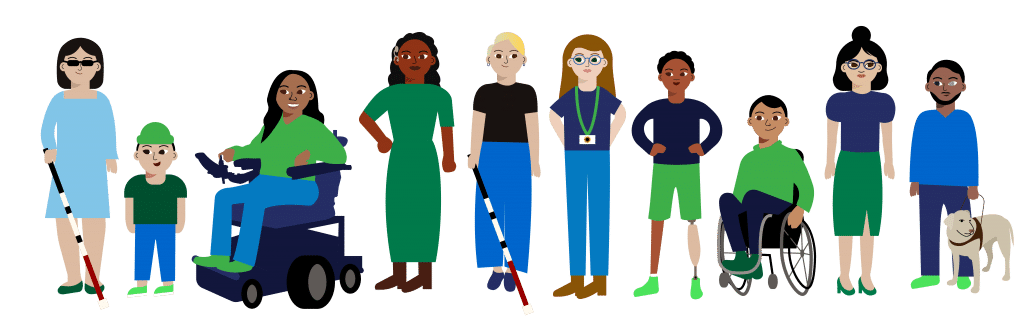

In a recent CBC News article, it was revealed that over a third of Maritime university students reported having a disability. And although this report is specifically from the P.E.I., we see this happening with younger generations across the globe.
Why is this the case? Well, there are several reasons for this as stated in the CBC News article:
➡️ Societally, there is less stigma around accessing accommodations
➡️ And because of increased societal acceptance, individuals are more willing to ask for help and advocate for themselves
➡️ Lastly, improvements already made at the high school level means that more students have prior experience accessing accommodations and “often times have diagnoses and documentation by the time they enter post-secondary learning environments.”
So what does this mean for university marketers and communicators? It means prioritizing accessibility and disability inclusion is no longer a recommendation – it’s a requirement.
New to all of this? No worries, here are 3 ways you can start your journey:
1. Firstly, it’s vital to upskill yourself on various accessibility topics including; inclusive and accessible design, plain language, alt-text/descriptive text, accessible signage, creating psychologically safe spaces for interviews and/or focus groups, and much more. For example, here’s a recent article on the difference between alt-text, image descriptions, and captions. Contact us to learn more about the various trainings we offer in this space.
2. When’s the last time you did an accessibility audit on your website? Standards and laws have evolved and continue to evolve – and they’re also becoming stricter worldwide. Regulations like the Web Content Accessibility Guidelines (WCAG), the Americans with Disabilities Act (ADA) in the United States, and the European Accessibility Act (EAA) in Europe are not only recommendations, but requirements, and are holding organizations accountable if they don’t comply.
3. And lastly but also most importantly, have you spoken to current students to find out if your ongoing marketing and communications strategies, tools, and tactics work for them? Maybe your current methods of communication aren’t actually accessible or have created unnecessary barriers?
Although these 3 initial steps are layered and require a lot of investment and attention, the most important thing as higher ed marketers and communicators is to continuously grow and learn – remember, it’s about progress, not perfection!
Visit our Higher Ed Inclusive Marketing Online Hub and keep up-to-date and informed on all things relevant to Higher Ed Inclusive marketing, advertising and communications across the globe.