
For Red Dress Day and the National Day of Awareness for Missing and Murdered Indigenous Women, Girls, and Two-Spirit People (MMIWG2S+), the red dress has become a powerful symbol of the spirits of those who are lost and the systemic silence that remains. While May 5 serves as a focused moment for national reflection, the crisis of MMIWG2S+ is an ongoing reality that requires an enduring commitment to justice and safety every day of the year.
Educational Resources and Voices
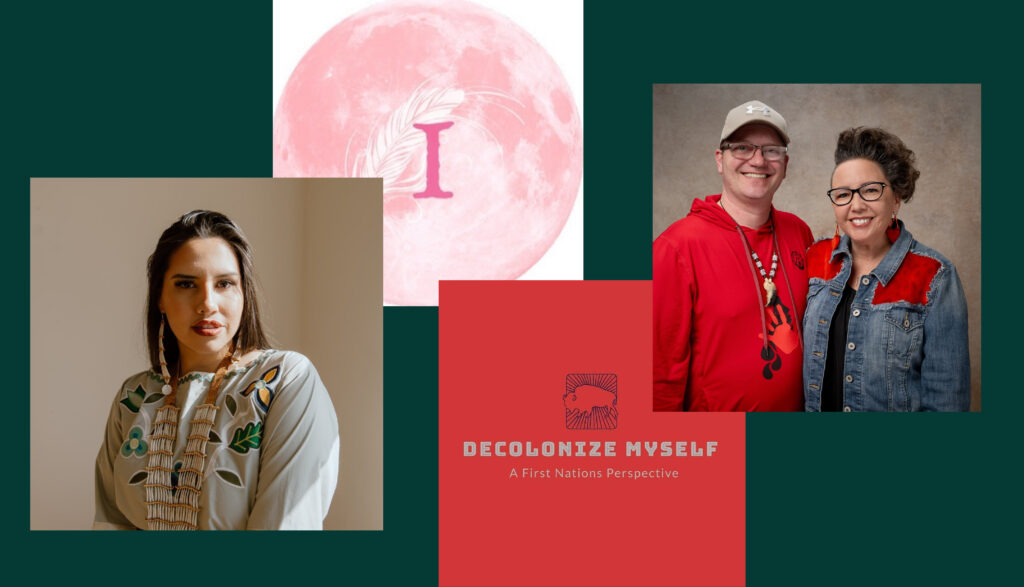
The following creators offer incredible perspectives that extend far beyond a single day of awareness. These accounts serve as vital resources for those looking to engage in the lifelong work of decolonizing their perspectives and understanding the systemic roots of the MMIWG2S+ crisis. We encourage you to immerse yourself in their work to better understand Indigenous excellence, resistance, and storytelling:
Resilient Inuk (@resilientinuk):
A vital resource for those looking for active advocacy; this account goes beyond standard social media trends to provide direct support and education specifically tied to Red Dress themes and Indigenous resilience.
Decolonize Myself (@decolonizemyself)
This account offers deep-dive educational content designed to challenge colonial mindsets and provide historical context necessary for decolonization.
Indigenous Intentions (@indigenousintentions)
A powerful blend of awareness-raising and community-focused content that highlights the intersection of Indigenous identity and the ongoing fight for justice.
Michelle Chubb (@indigenous_baddie)
A Nehinaw (Swampy Cree) advocate who uses her platform to reach millions, sharing a blend of everyday life, ancestral practices like jingle dress dancing, and powerful calls to action regarding MMIWG2S+.
Moving Toward Action
How to show up today:
- Wear Red and Educate Others: As emphasized by Amnesty International and Mikisew Group, wearing red on May 5 is a visible act of solidarity that honors lives lost and calls for justice. Pair this visible support with sharing educational content about the 231 Calls for Justice from the MMIWG2S+ National Inquiry to help others understand the legal and systemic changes required to end this violence.
- Donate to Indigenous-Led Organizations:
- Native Women’s Association of Canada (NWAC): Your contribution directly empowers Indigenous women, girls, and Two-Spirit people while supporting the fight for systemic change.
- Indian Residential School Survivors Society (IRSSS): This organization provides essential physical, emotional, and spiritual support to residential school survivors and their families, addressing the intergenerational trauma that is deeply linked to the MMIWG2S+ crisis.
- The Moose Hide Campaign: This Indigenous-led grassroots movement engages men and boys in the effort to end violence against Indigenous women and children, offering resources to stand up against domestic and gender-based violence.
- Advocate for Systemic Change: Deepen your understanding by reviewing the National Calls for Justice, which outline legally-mandated directives for all levels of government to eliminate the marginalization of Indigenous people.
- Attend a Community Event: Look for gatherings, drum ceremonies, or walks in your local community to stand in solidarity with survivors and families. Presence at these events is a powerful way to ensure the stories of those lost are heard and their legacies honored.
True change begins when we commit to the voices of those who have been marginalized for far too long. By elevating these creators and taking direct action, we move one step closer to a more just and human world.
Learn more about what we do and who we do it for on our services page.
Sign up for our newsletter here for more insights on marketing, advertising, communications, and how the industry intersects with inclusion.