
Most Canadian brands treat “inclusive marketing” like a box to check, a budget line item that magically makes them look diverse. But let’s be real: putting money behind a campaign doesn’t mean it’s actually going to land. I’ve seen too many well-funded campaigns fail because the boardroom was terrified of asking a simple question, or worse, assumed they already knew the answer. The truth is, how you build a campaign matters infinitely more than the slick tagline you put on it.
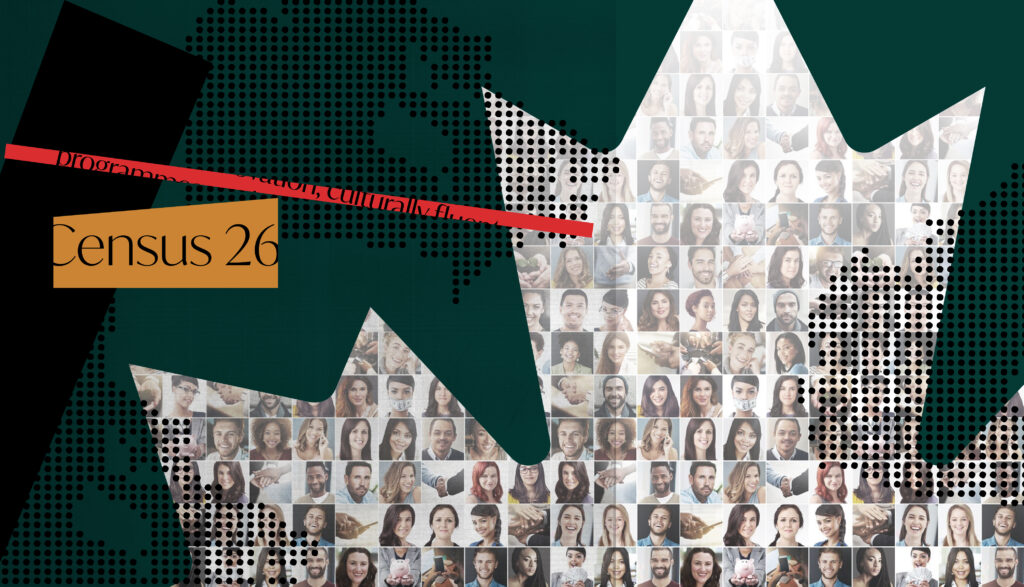
Canada’s consumer landscape makes this especially clear. Statistics Canada recorded over 450 distinct ethnic and cultural origins in the 2021 Census, and visible minorities now make up more than a quarter of the total population. Yet according to Strategy magazine, multicultural advertising still captures at most 10% of the marketing dollar in Canada, even as Toronto and Vancouver are 57% and 55% visible minorities respectively. The gap between who brands are trying to reach and who is actually shaping their campaigns is hard to ignore.
Why cultural competence has limits
Many brands approach inclusive marketing as a knowledge problem: learn enough about a community, and you can speak to them effectively. The issue is that total cultural competence is unattainable. No team can learn every nuance of every lived experience. Cultural humility, the more useful framework, acknowledges this honestly. It is a practice of ongoing self-reflection and being genuinely comfortable with not knowing, rather than assuming expertise that hasn’t been earned.
For brands, this distinction matters. A campaign built on assumed understanding can read as tokenistic even when the intention was sincere. A campaign built through genuine partnership with the communities it represents tends to land differently.
Co-creation produces better work
Research into brands that have gotten inclusive marketing right points consistently to one factor: the communities being represented were involved throughout the process, not consulted after the fact. Brands that co-create with community members, rather than extracting insights and proceeding independently, build more authentic and durable trust.
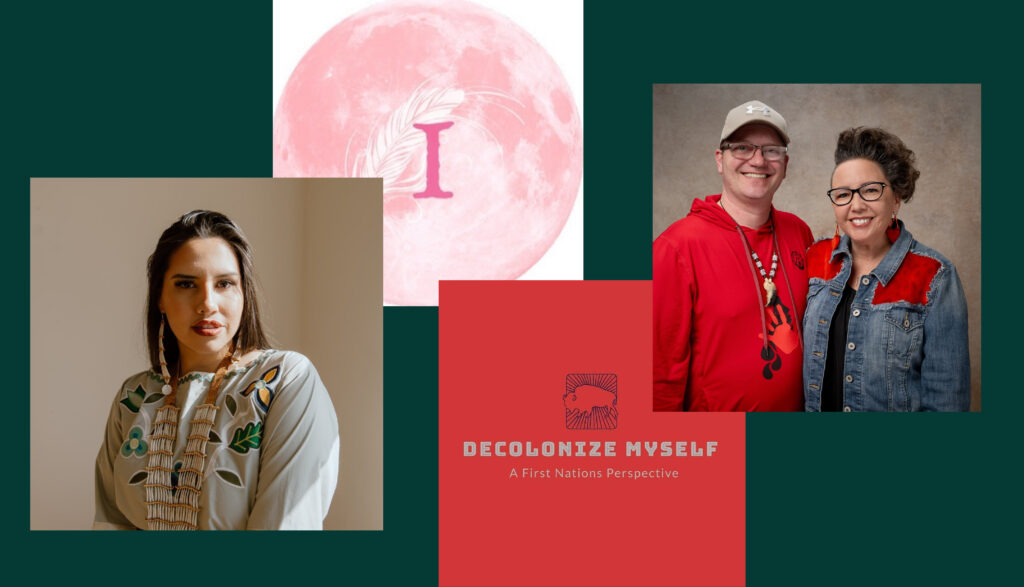
The principle at the heart of this runs through disability advocacy, Indigenous-led policy, and inclusive design: nothing about us without us. Decisions about how a community is represented should be made with their direct input, not on their behalf.
In practice, that means building relationships with community consultants, accessibility advocates, and cultural advisors before a campaign brief arrives. It means protecting the integrity of their feedback rather than softening it to suit a brand’s comfort level.
The business case is straightforward
Google’s research on multicultural marketing in Canada found that 37% of Canadians say they don’t see their lifestyle represented in advertising, and 69% of newcomers pay attention to ads in their own language. That’s a significant portion of the country feeling overlooked by the brands competing for their attention and their dollars.
Brands that approach inclusive marketing with genuine humility, and build the external partnerships to support it, produce work that is more accurate, more trusted, and more effective. Treating it as a box to check tends to produce results that reflect exactly that.
Learn more about what we do and who we do it for on our services page.
Sign up for our newsletter here for more insights on marketing, advertising, communications, and how the industry intersects with inclusion.