
We’ve heard it all before…
“We need to focus our budget on the core audience first before we branch out into sub-segments.”
“Our strategy is to create a universal message that appeals to everyone, rather than alienating people by focusing only on specific groups.”
“That demographic is a great secondary market for us, but it’s just not large enough to justify a dedicated campaign right now.”
For years, organizations treated inclusive marketing as a secondary checkbox or a specialized initiative reserved for specific communities or specific calendar months. But treating cultural relevance as a side project is a massive strategic misstep. The data proves that inclusion is no longer an alternative strategy – it is the core strategy for any business looking to grow.
At AndHumanity, we want everyone to know that what brands used to dismiss as “too niche” is actually now the “New Diverse Mainstream” – it’s even right on the front page of our website.
Statistics Canada projections show a massive structural shift that makes the traditional “catch-all” campaigns outdated:
- 📈 Near-Majority Scale: By 2041, racialized Canadians will make up 43% of the working-age population. In major hubs like Toronto and Vancouver, that number already sits at the vast majority.
- 👶 The Youth Wave: The shift is happening from the ground up. Racialized individuals represent the highest proportion among youth aged 0 to 14, making Gen Alpha Canada’s first majority-diverse generation.
- 💼 The Intersectional Reality: True mainstream audiences aren’t monolithic – they live at the intersection of diverse cultures, 2SLGBTQIA+ identities, and accessibility needs (with over 27% of Canadians living with a disability).
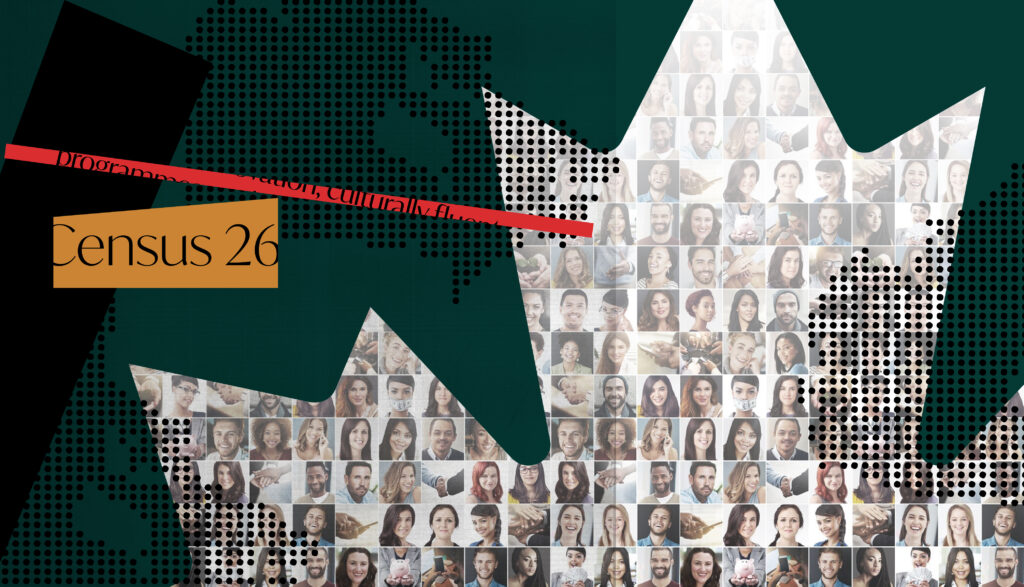
- 📊 The Upcoming Proof: As mentioned in some of our previous posts (1, 2), we actually won’t have to wait long for the official receipts. The upcoming 2026 Census release is set to mathematically solidify this reality, forcing every lagging brand to finally catch up to how Canada actually looks today.
So when marketers call equity-deserving groups ‘niche,’ they are ignoring basic math. In addition to the above statistics, women already make up over 50% of Canada, which means when you stack all these intersectional realities together, ‘equity-deserving’ isn’t a sub-segment – it actually represents the vast majority of the Canadian marketplace.”
Overall, if your marketing strategy isn’t actively reflecting these realities, your brand is already falling behind. Winning the future market means building authentic connections with the audience that exists today, not the one from a decade ago. Don’t wait for the census numbers to scramble for a solution. It is time to stop calling it “niche” and start building a marketing infrastructure ready for the New Diverse Mainstream.
Learn more about what we do and who we do it for on our services page.
Sign up for our newsletter here for more insights on marketing, advertising, communications, and how the industry intersects with inclusion.