
For years, marketing departments have leaned on rigid, neatly packaged buyer personas that look great in on paper but fall incredibly short in the real world. That comfortable disconnect is about to expire.
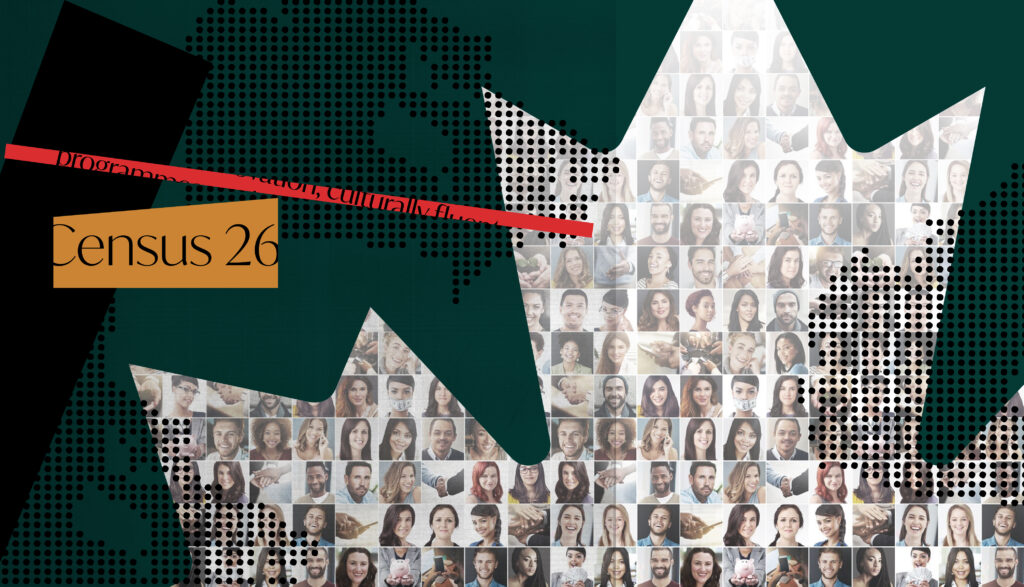
With Statistics Canada recently reporting an unprecedented 98.4% participation rate for the 2026 Census cycle, brands are about to face a wave of statistically powerful data that exposes just how far behind current audience understanding truly is. It will reveal we are far more diverse and intersectionally complex than the rigid, outdated buyer personas sitting in most of the marketing decks we see.
Beyond the high participation numbers, the data rollout will also finally include two historic structural shifts:
1. Sexual Orientation: For the very first time in Canadian history, the 2026 long-form census asks respondents about their sexual orientation. This fills a large historical gap.
2. True Intersectional Cross-Referencing: Because Statistics Canada can now combine sexual orientation data with gender diversity, Indigenous identity, racialized groups, and immigrant status, we will get highly granular data on multi-layered inequities. For example, brands and policymakers won’t just see “queer Canadians” or “immigrants” – they can see the specific socioeconomic realities of racialized, queer immigrants.
It’s going to take some time, but when the results are released in 2027, there will be a lot of brands scrambling to adjust their strategy for this new (but also, current) Canada.
Learn more about what we do and who we do it for on our services page.
Sign up for our newsletter here for more insights on marketing, advertising, communications, and how the industry intersects with inclusion.