
Each year, Lunar New Year campaigns light up our feeds with red visuals, lantern emojis, and well-meaning greetings. But in recent years, audiences have started to notice a clear divide – between brands that engage authentically and those that merely perform. The difference lies not in how polished the visuals are, but in how deeply the campaign connects to lived experiences, traditions, and real community voices.
As we enter the Year of the Horse – a symbol of energy, freedom, and perseverance – it’s a perfect time to celebrate not just the holiday itself, but the brands that honour it with respect, intention, and joy.
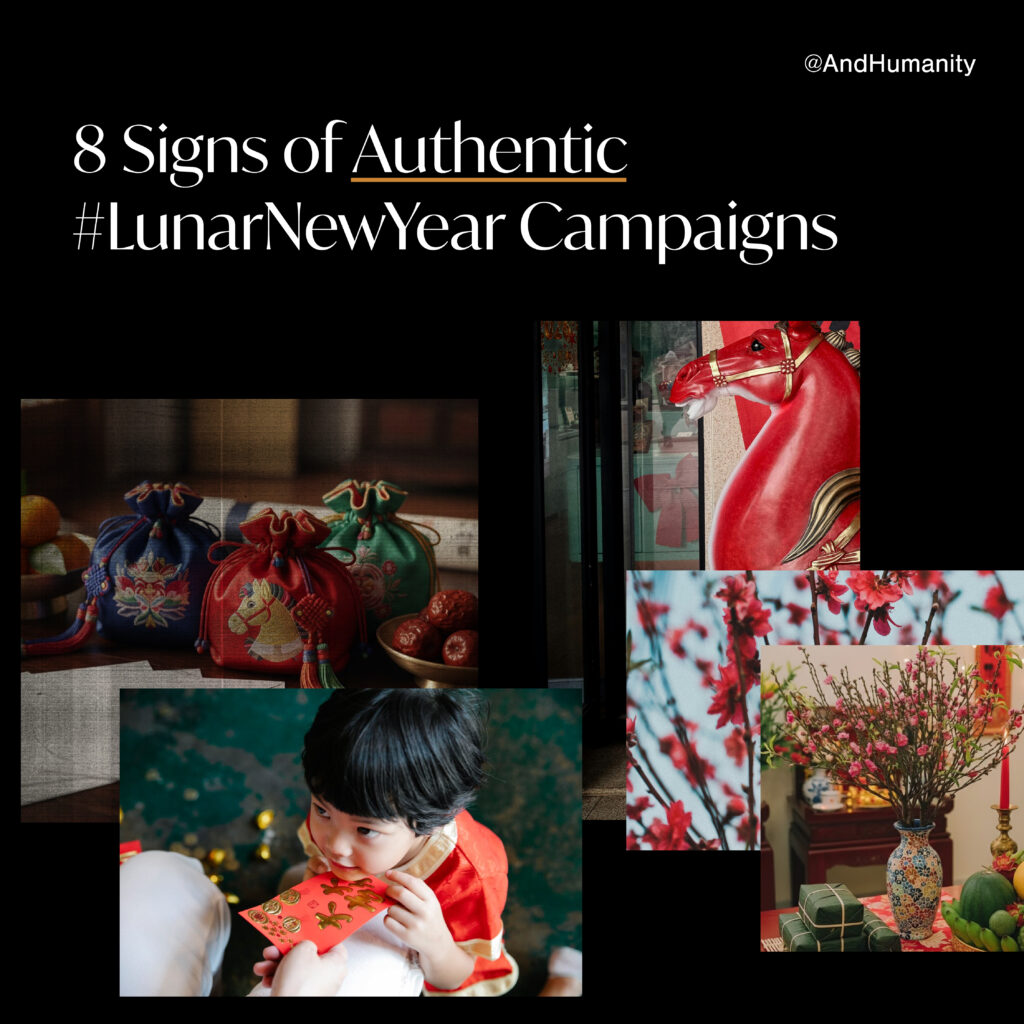
Here are eight signs that a brand’s Lunar New Year initiative goes beyond surface-level celebration:
1. Authentic cultural depth
Look for storytelling that reflects real relationships to Lunar New Year – not just decorative nods like red envelopes and dragons, but meaningful symbols, histories, and memories. Strong campaigns highlight the Year of the Horse’s spirit: boldness, vitality, and optimism, brought to life through narratives that resonate beyond a sales pitch.
2. Respect for diversity
“Lunar New Year” is not one uniform celebration. It’s marked by different traditions across Chinese, Vietnamese (Tết), Korean (Seollal), Japanese (shōgatsu), Thai, Mongolian, and Tibetan communities, among others. The most inclusive brands recognise these distinctions – celebrating each culture’s uniqueness rather than merging all Asian identities into one monolith.
3. Joyful, uplifting visuals
Authenticity doesn’t mean austerity. This is a time of vibrant colours, dragon dances, dazzling food spreads, and laughter with family. The best creative work translates that energy into visuals and messages that feel heartfelt – not clichéd.
4. Meaningful symbolism
Cultural precision matters. For example, in Chinese homes, the character 福 (“Fu,” meaning “fortune”) is hung upside down to symbolise that “prosperity has arrived.” In Vietnam, peach blossoms (hoa đào) or kumquat trees reflect hope and renewal. These details add richness to storytelling and show that a brand has done its homework.
5. Genuine collaborations
When brands partner with community creators, artists, or cultural consultants, the results often speak for themselves. These collaborations bring nuance and lived experience into every detail – ensuring campaigns don’t fall into stereotypes or token gestures.
6. Modern relevance
Tradition evolves, and so should representation. It’s refreshing when modern Lunar New Year campaigns reflect today’s families and diaspora lifestyles – such as intergenerational video calls, diasporic fusion foods, or younger creators redefining customs while staying rooted in culture.
7. Purposeful products
Thoughtful product design or limited editions that reflect genuine cultural inspiration – rather than using Lunar New Year merely as a sales gimmick – show deeper intent. Packaging that incorporates storytelling, artistry, and community contributions can make all the difference.
8. Community-vetted authenticity
The strongest sign of respect? Research and feedback from the very communities a brand seeks to celebrate. Whether through focus groups, cultural advisory panels, or long-term relationships, genuine engagement builds lasting trust.
As audiences grow more discerning, cultural literacy must keep up. Lunar New Year offers a brilliant opportunity for brands to not only market, but meaningfully connect. By seeking and elevating the campaigns that get it right, we celebrate not only the Year of the Horse – but the ongoing movement toward more inclusive and respectful storytelling.
Learn more about what we do and who we do it for on our services page.
Sign up for our newsletter here for more insights on marketing, advertising, communications, and how the industry intersects with inclusion.