
Today is International Day of Persons with Disabilities, and we want to highlight a couple important articles from Nielsen that reinforce that authentic representation in advertising is an absolute must.
Here are some of the stats you should know:
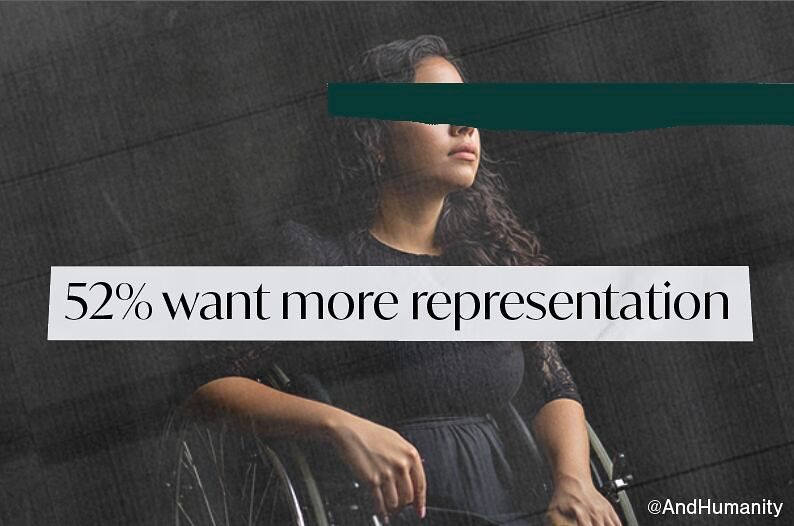
➡️ Among people with disabilities, 52% wish for more representation of their identity group on television, while 50% feel their identity is often misrepresented.
➡️ The disability community is 17% more likely to engage with brands advertising in inclusive content, and disability-inclusive social media posts generate 21.4% higher media value, showing progress in audience connection.
➡️ In 2021, only 1% of primetime ads included people with disabilities or disability-related themes. In 2024, representation increased to around 5.9% of appearances on TV screens, though somewhat down from 6.8% in the previous year.
➡️ Only about 10% of global TV ads include basic accessibility features like closed captions or audio description, indicating room for growth in accessibility beyond representation
➡️ Beyond this, the article states that it is now *especially* important for brands go “beyond surface-level demographics to understand complex, intersectional identities”.
➡️ Using disability as an example, the article talks about how “a young Latina with a physical disability may have different media preferences and purchasing behaviours than an older white male veteran with a hearing disability.” And yet, these two are often grouped into the same audience for marketers.
So…what does this all mean?
➡️ It means the future of our industry is *precision*.
➡️ It means that brands that can “leverage precise, multidimensional data to connect with these diverse experiences” are the most likely to build meaningful relationships with their audiences.
So brands, what are you doing to ensure you’re considering nuance and intersectionality in your research?
Learn more about what we do and who we do it for on our services page.
Sign up for our newsletter here for more insights on marketing, advertising, communications, and how the industry intersects with inclusion.